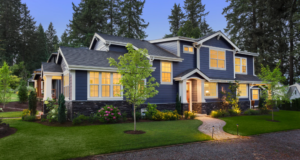
Extreme weather can test every part of a home, but the roof takes the first hit. Heavy rain, high winds, hail, and intense heat all place stress on roofing materials year after year. That is why homeowners researching metal roofing in Cumming often focus on its reputation for strength and long-term protection. Metal systems are built to resist damage that commonly shortens the life of other roofs. With professional installation, they create a reliable shield that helps buildings stay secure through changing seasons and severe storms.
Table of Contents
Built for Wind Resistance and Structural Stability
One of the biggest threats during storms is wind uplift. Strong gusts can peel back shingles, loosen flashing, and expose underlayment in minutes. Metal roofing performs well here because panels and shingles are secured with specialized fastening systems and interlocking seams. These connections hold firm under pressure, making it harder for wind to find an entry point.
A professionally installed metal roof also distributes wind force across the surface more evenly. Instead of creating small weak spots, the roof behaves like one bonded layer that stays tight against the structure. This stability reduces the risk of sudden roof loss during storms and gives homeowners greater confidence when severe weather hits.
Strong Defense Against Heavy Rain and Hail
Water intrusion is one of the most destructive outcomes of extreme weather. Metal roofs are naturally water-shedding because their surfaces are smooth, and installation patterns are designed for fast runoff. Rain travels quickly toward gutters instead of lingering, limiting the chance of seepage at joints or valleys.
Hail is another concern. While any roof can show cosmetic dents, metal is far less likely to crack or split from impact. The roof surface remains intact, continuing to protect the decking and interior. Professional crews also select appropriate thickness and finish coatings for local storm conditions, increasing impact resistance where it matters most.
Heat Reflection and Fire Resistance
Sun and heat accelerate roof aging. Many materials dry out, warp, or lose protective granules when exposed to intense summer temperatures. Metal roofing avoids much of this wear because it reflects a significant amount of solar energy. This lowers surface temperature and reduces the heat that transfers into attic spaces.
Lower heat stress helps the roof hold its shape through constant thermal cycles. It also improves indoor comfort, especially during hot weather stretches. Another advantage is fire resistance. Metal is non-combustible, so it does not ignite from airborne embers or nearby flames. In areas where wildfire risk or lightning storms are a concern, that added protection can be a major benefit.
Durability Through Freeze and Thaw Cycles
Cold snaps and sudden warm-ups can be hard on roofs. Water seeps into tiny gaps, freezes, expands, and creates cracks. Metal roofing handles freeze and thaw cycles more effectively because it does not absorb water. Snow and ice slide off more easily, reducing the weight load and limiting the formation of ice dams.
Professional installation ensures proper underlayment and edge detailing, which further blocks winter moisture. This combination of water resistance and smooth shedding makes metal a strong option for buildings that face both winter storms and warm-season rainfall.
A System That Performs Best With Professional Installation
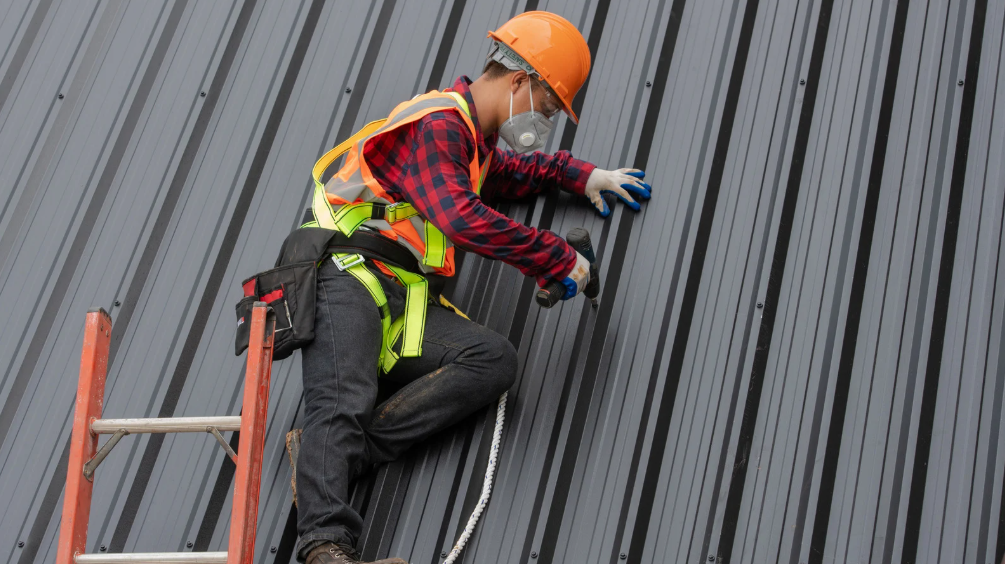
Metal roofing offers clear strength advantages, but lasting protection depends on expert workmanship. Fastener placement, seam locking, flashing design, and trim fitting must be exact. Professionals also evaluate roof pitch, drainage paths, and local weather history before choosing the best metal style for a building.
Understanding why you should consider installing a metal roof on your home helps you see how durability, weather resistance, and energy performance work together for long-term protection. The right team prevents common installation errors that could weaken even the best materials.
Conclusion
Metal roofs protect buildings from extreme weather through wind resistance, impact durability, rapid water shedding, heat reflection, and fire safety. They also handle freeze and thaw cycles without cracking or absorbing moisture. When installed by skilled professionals, these systems form a long-lasting barrier that keeps homes safer, more comfortable, and better prepared for whatever the weather brings.
Want to know about Top 7 Tips for Preparing Your Roof for Summer Check out our Home improvement category.
For those who are moving into a new home with a metal roof, understanding its benefits during extreme weather can provide peace of mind. Read more about moving for the first time here